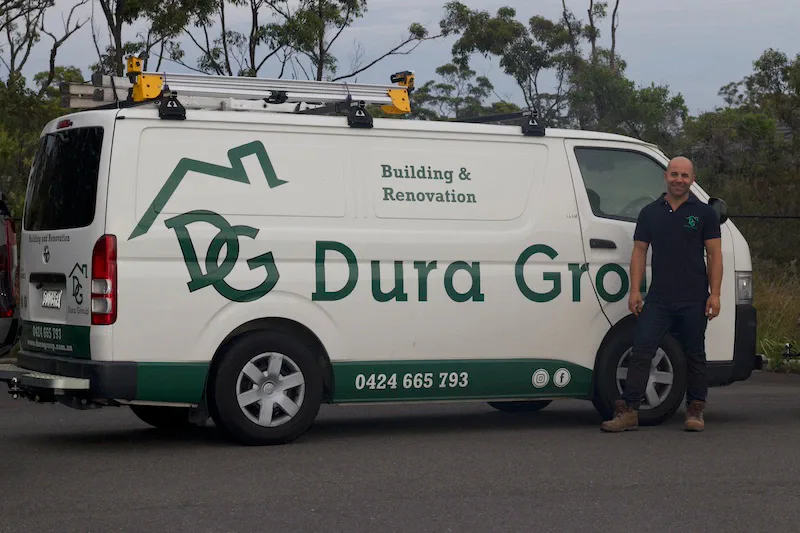
The Inner West is one of Sydney’s most architecturally rich regions. From the federation houses lining the streets of Haberfield to the Victorian terraces packed tightly along Erskineville’s laneways, the character of these suburbs is something homeowners work hard to preserve and build on. At Dura Group Building & Renovations, we have completed renovations and extensions across the Inner West Council area for many years, and we understand the specific challenges this region presents: heritage overlays, tight sites, conservation area requirements, and the constant task of marrying 100-year-old fabric with the way families live today.
What makes the Inner West different from other parts of Sydney?
The Inner West’s defining characteristic is density combined with heritage. Blocks are narrower, setbacks are smaller, and a significant portion of homes fall within heritage conservation areas or sit adjacent to listed items. This means that what might be a straightforward approval process in a newer suburb often requires more detailed documentation, heritage impact statements, and council scrutiny here.
The housing stock itself varies suburb by suburb. Haberfield, protected under the Haberfield Conservation Area, is almost entirely made up of federation-era bungalows with intact streetscapes, ornate timber fretwork, and tiled front verandahs. Move along Parramatta Road toward Leichhardt and Lilyfield and the styles shift to Californian bungalows and interwar cottages. Drop south toward Marrickville and Sydenham and you find workers cottages, brick terraces, and post-war fibro that reflect a different era of settlement entirely.
In Newtown and Erskineville, Victorian terraces run in long continuous rows along streets feeding off King Street. Many of these properties have no side access, share walls on both boundaries, and can only be extended at the rear or upward. In Stanmore, the Stanmore heritage precinct applies to large portions of the suburb, placing constraints on external alterations visible from the street.
Understanding which rules apply to your specific property before you start planning is the first step. Our team works across all these suburbs regularly, including with Marrickville builders projects involving both heritage-listed properties and contributory items within conservation areas.
What does Inner West Council require for heritage renovations?
Inner West Council administers one of the largest concentrations of heritage-listed and heritage-affected properties in New South Wales. Depending on where your home sits, you may be dealing with a State heritage listing, a local heritage listing, or a contributory item within a conservation area. Each carries different obligations.
For properties within conservation areas, any external work that changes the appearance of the building generally requires a Development Application (DA). This includes adding a dormer, changing window profiles, altering the roof line, or removing original fabric such as timber fretwork or face brick. Internal work is usually less restricted, though structural changes may still require approval. Our guide to understanding DA vs CDC approvals covers when each pathway applies.
Understanding whether your project can proceed under a Complying Development Certificate (CDC) or needs a full DA is one of the most important early decisions. Our guide to lodge a development application explains the key differences, including the situations where a CDC simply cannot be used on a heritage-affected site.
For homeowners who want a deeper understanding of what the heritage framework means for their specific property, our dedicated resource on Heritage Renovation Sydney covers the regulatory landscape, what councils look for in heritage impact statements, and how to design an extension that earns approval.
What types of renovations are most common in the Inner West?
Rear ground floor extensions are the dominant renovation type across the Inner West, driven by the simple geometry of the housing stock. Most terrace homes and bungalows sit on long, narrow blocks. The street frontage cannot be altered in a heritage context, but the rear of the property offers genuine space to gain a larger kitchen, open living area, and connection to an outdoor space.
Common Inner West renovation types include:
- Rear ground floor extensions adding 20 to 40 square metres of open-plan kitchen and living to terrace homes, bungalows, and cottages
- Second storey additions above existing single-storey homes, particularly in Dulwich Hill, Summer Hill, and Lewisham where block widths allow for it
- Internal reconfiguration of original room layouts, typically converting a sequence of small, separated rooms into a more open plan that suits how families use the space
- Bathroom and laundry updates to rooms that retain original layouts but need modern fittings
- Facade restoration involving repair of original timber joinery, replacement of non-original cladding, and reinstatement of removed heritage features
Our Ground Floor Extension Guide covers the planning, design, and construction process for rear extensions in detail. If adding a second level is the right move for your block and budget, our Second Storey Extension Guide walks through what that process involves from feasibility through to handover.
How do heritage overlay rules affect what you can build?
Heritage overlay rules in the Inner West primarily govern external appearance, not internal layout. The goal of the controls is to protect the character of the streetscape and the integrity of significant buildings, not to freeze a home in the past. In practice, this means most extensions happen at the rear where they are not visible from the street, and where councils apply a more permissive test.
When extensions are visible, councils assess them against heritage guidelines that typically require:
- New work to be distinguishable from the original fabric rather than a pastiche that pretends to be original
- New materials and forms to be sympathetic in scale and proportion to the existing building
- Original features on the primary elevation to be retained or reinstated
- Setbacks from the street frontage to preserve the visual primacy of the heritage building
This is where builder selection genuinely matters. A builder who has not worked on heritage projects in conservation areas before may not understand how to document, scope, or sequence work to satisfy a council heritage officer. We work with experienced heritage architects and designers across the Inner West and have handled these processes for homeowners in Haberfield, Stanmore, Newtown, and across the broader council area.
What does it cost to renovate a heritage home in the Inner West?
Heritage renovation costs in the Inner West are driven by scope, site conditions, and the extent of original fabric requiring repair or retention, not by the suburb itself. A rear extension on a terrace in Erskineville and a similar extension on a bungalow in Dulwich Hill may cost more or less depending on the specific site, not the postcode.
Cost factors specific to Inner West heritage projects include:
- Heritage architect or heritage consultant fees if the council requires a heritage impact statement as part of the DA
- Structural complexity on older homes where load-bearing walls require careful assessment and alternative support structures
- Original material matching for face brickwork, timber, or roofing materials where new work must complement the existing
- Access constraints on narrow block terrace sites where materials and waste removal require additional planning
- Approval timeframes for DA projects, which extend the overall project duration and can affect programme costs
Our guide to How Much Does a Home Renovation Cost? provides Sydney-wide cost ranges by project type, along with the key variables that push costs up or down. For a current picture of building costs across Sydney, our Building Costs in Sydney: 2026 Price Guide is updated regularly with current trade and material rates.
At Dura Group, we price all projects on a fixed lump sum basis. You receive a single contract price with no hidden costs, and no surprises at the end of the build. Our clients purchase their own tiles and PC (prime cost) items directly, which removes the builder markup on fittings and gives you full control over your selections and budget.
How do you find the right builder for a heritage renovation in the Inner West?
The right builder for a heritage renovation in the Inner West is one who has completed similar projects in similar suburbs and understands the council approval context. Heritage work is not simply a matter of being careful with old buildings. It requires knowledge of how Inner West Council assesses applications, what heritage consultants look for, and how to manage the sequencing of approvals and construction on constrained sites.
When evaluating builders, look for:
- Demonstrated experience with heritage-listed or conservation area properties, with examples from the Inner West specifically
- A clear process for handling DA applications, including who manages council submissions and how variations are handled
- Fixed lump sum contracts that protect you from cost escalation once the project starts
- References from past clients in comparable suburbs and project types
Our guide to How to Choose a Builder in Sydney covers what questions to ask at tender stage and how to compare quotes that are structured differently. Our companion article on Red Flags When Hiring a Builder is worth reading before you sign anything.
One structural decision worth considering early is whether to engage a design-and-build firm or to appoint an architect separately and then go to tender. Both approaches have merit for Inner West heritage projects, and our overview of Design and Build vs Architect and Builder explains the trade-offs.
Which Inner West suburbs does Dura Group work in?
Dura Group’s Inner West home builders cover the full council area, including Camperdown, Dulwich Hill, Enmore, Erskineville, Haberfield, Hurlstone Park, Leichhardt, Lewisham, Lilyfield, Marrickville, Newtown, Petersham, Rozelle, St Peters, Stanmore, Summer Hill, Sydenham, Tempe, and Croydon. Mark personally oversees every project, which means a consistent standard of quality and communication from the first site visit through to handover.
Some of the specific areas we work in regularly:
For more about how we can help, visit our extension and addition services page.
- Newtown and Erskineville: Victorian terrace rear extensions and internal reconfigurations on narrow sites off King Street and Enmore Road. Our team has completed multiple projects in this area, working with the constraints of zero side access and shared boundary walls. Speak to our Newtown home builder team about your terrace project.
- Haberfield: Federation bungalow renovations within the Haberfield Conservation Area. These projects require careful attention to original fabric and council heritage requirements. Contact our builder in Haberfield for an initial assessment of your property.
- Leichhardt and Lilyfield: Ground floor extensions and second storey additions to Californian bungalows and interwar homes. Our building services in Leichhardt cover the full scope from heritage assessment through to construction.
- Marrickville and St Peters: Workers cottage and brick terrace renovations in one of the Inner West’s most active renovation precincts. Our Marrickville builders are familiar with the mixed heritage context across this suburb.
- Rozelle: Cottage and terrace renovations close to Iron Cove and Callan Park. Our Rozelle renovation specialist team handles both DA and CDC projects in this suburb.
- Dulwich Hill and Summer Hill: Bungalow extensions and rear additions in these family-oriented suburbs. See our past Dulwich Hill building projects for examples of completed work.
- Stanmore: Heritage precinct renovations requiring careful DA management and heritage documentation. Our Stanmore home renovations team works closely with heritage architects on these projects.
Ready to start your Inner West renovation?
If you are considering a renovation or extension on a heritage home in the Inner West, we welcome the conversation. Get in touch with Dura Group for a no-obligation discussion about your project. Mark works directly with homeowners across the Inner West Council area from the first meeting through to completion, and our fixed lump sum pricing means you know exactly where you stand before work begins. See our full home renovation offering for a complete overview of what we deliver.

Mark Dura is the founder of Dura Group Building & Renovations, a licensed builder (Lic 381531C) with 27+ years of experience in residential renovations, home extensions, and knockdown rebuilds across Sydney. Mark oversees every project from design through to completion.